

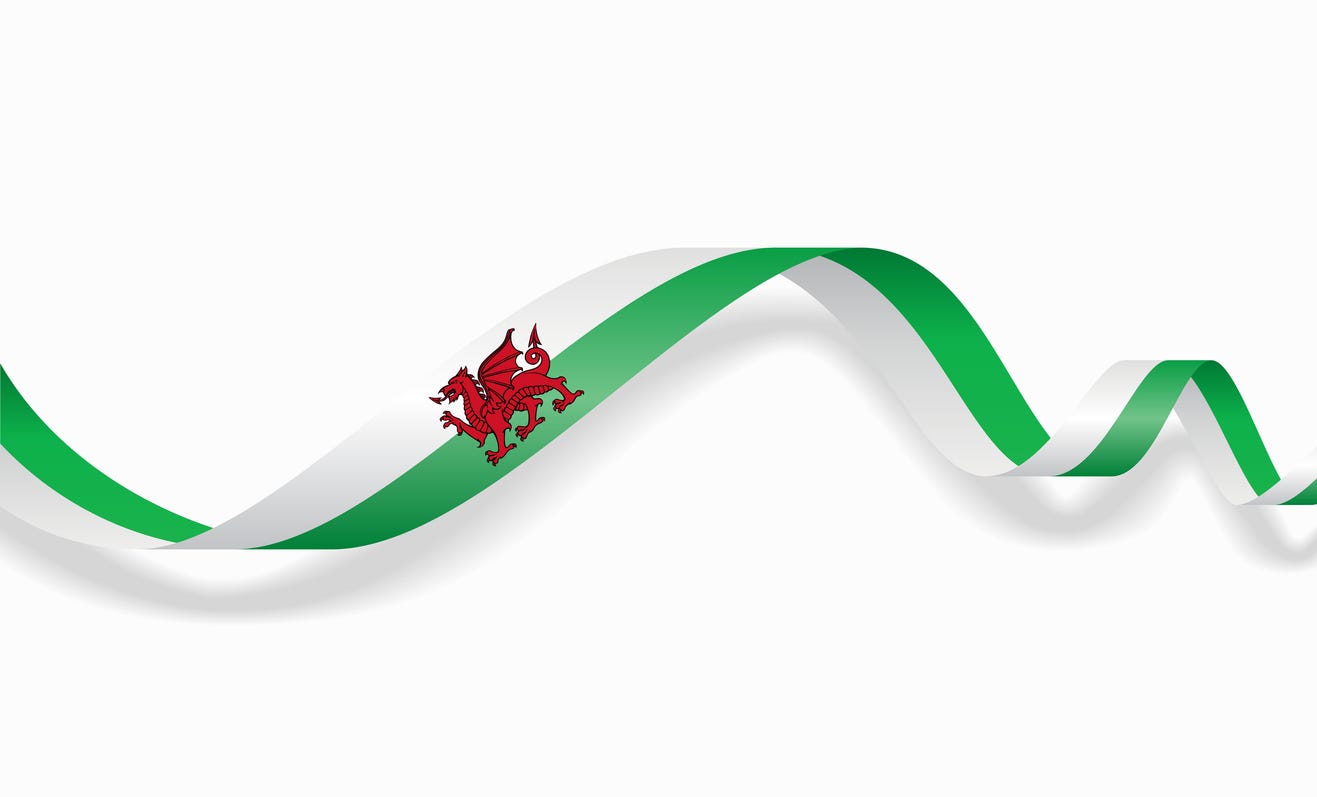
There are moments in life that don’t mean very much when they happen.
Words people say in passing.
Stories half told.
Places you leave behind without really understanding what they meant to you.
And then one day, decades later, those same moments return carrying an entirely different weight.
For me, one of those moments happened around thirty years ago when I was leaving the UK for Australia.
Our family friends said to me:
“Never forget where you came from.”
At the time, I smiled politely, probably nodded, and carried on packing my bags.
I don’t think I understood those words at all.
I do now.
I was born in England, but when I was seven years old my family moved to a small village in North Wales, near Snowdonia, to be closer to my maternal grandmother.
It was beautiful. Rugged hillsides, slate-grey skies, winding roads, old stone buildings and a sense of history that seemed embedded in the landscape itself.
But it was also a culture shock.
I didn’t speak a word of Welsh when we arrived and, in that region, Welsh wasn’t just a language — it was identity, history, resistance and belonging. In some shops and among older members of the community, Welsh was spoken almost exclusively. At school, some lessons were taught in Welsh and, as a child arriving from England, I became very aware very quickly that I was “other”.
At seven years old, you don’t have the language to explain exclusion or cultural tension. You just know how it feels.
You know what it’s like to walk into a room and not understand what’s being said.
You know what it’s like to stand out.
You know what it’s like to desperately want to fit in.
Over time, I learned the language. By high school, I could understand and speak Welsh reasonably well. But high school introduced an entirely different layer of complexity.
This was during a period where Welsh nationalism felt particularly heightened in parts of North Wales. There were tensions around identity, language, land ownership and the growing number of “holiday cottages” owned by people outside the local community. Some extremist factions responded aggressively and, in nearby areas, holiday homes were being targeted and burned.
As a teenager, it was frightening.
At school, the divisions often felt visible and tangible. I remember playgrounds that felt split down invisible lines — Welsh on one side, English on the other. There were fights, insults and hostility that no teenager really has the emotional tools to process properly.
“English go home” was something we heard often.
The irony was that many of us hadn’t chosen to be there in the first place. Our parents had made those decisions for us. We were just trying to survive adolescence while carrying labels we didn’t fully understand.
Oddly enough, my closest friendship during that time crossed those invisible boundaries entirely.
She was Welsh first-language.
I was English first-language.
Both of us already sat slightly outside the social structures of the school for different reasons and somehow that created common ground. While other kids seemed determined to pick sides, we mostly just tried to stay invisible.
That feeling — of existing between worlds without fully belonging to either — followed me for a very long time.
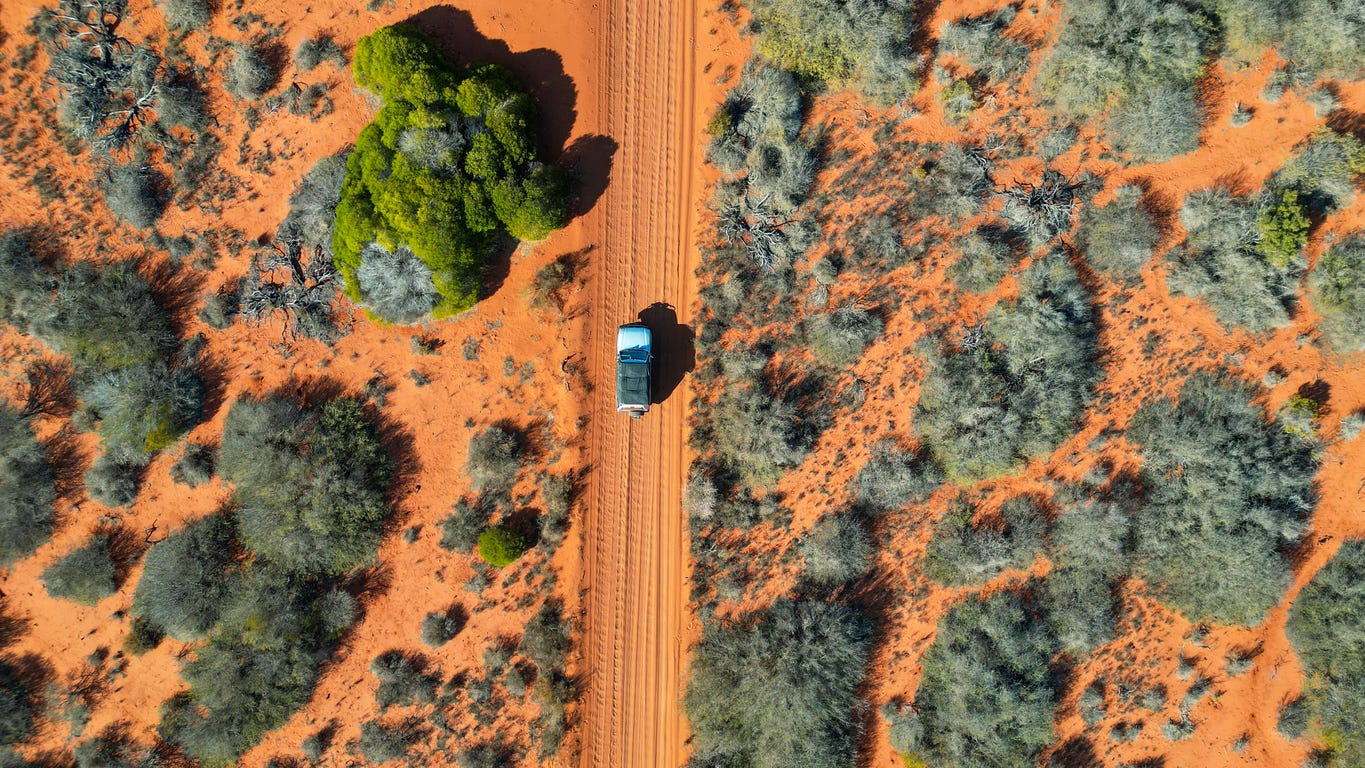
When I moved to Australia in my twenties, the feeling returned all over again.
Not because of language this time, but because of culture.
Australians, broadly speaking, didn’t seem particularly concerned with where you came from. At least not in the overt ways I’d experienced growing up. But beneath the surface, it was impossible not to notice undertones of racial tension and intolerance, particularly directed towards Aboriginal and Torres Strait Islander peoples.
Coming from a country with its own deeply complicated history around migration, identity and racism, I recognised some familiar patterns.
And it saddened me.
Earlier in my career, I had the opportunity to spend significant time living and working in the Northern Territory. It remains one of the most culturally rich and fascinating parts of Australia I’ve experienced.
What surprised me most was not the landscape or the remoteness.
It was the feeling.
For reasons I couldn’t properly explain at the time, I felt something there that I hadn’t felt in many other places in my life:
Connection.
Not ownership.
Not entitlement.
Just connection.
A sense of place.
A sense of history.
A sense that culture mattered.
I didn’t fully understand why it resonated with me so deeply.
Not then, anyway.
Years later, mostly out of curiosity and for a bit of fun, I completed an Ancestry DNA test.
The results came back overwhelmingly Welsh and Celtic.
Not vaguely.
Not partially.
Deeply and unmistakably tied to the very region around Snowdonia where I had spent much of my childhood feeling like I didn’t belong.
I remember staring at the results with a strange sense of disbelief.
All those years of feeling disconnected from the place… and my family history had roots there all along.
Nobody had ever really spoken about it in any meaningful way.
And yet, in hindsight, there had been fragments.
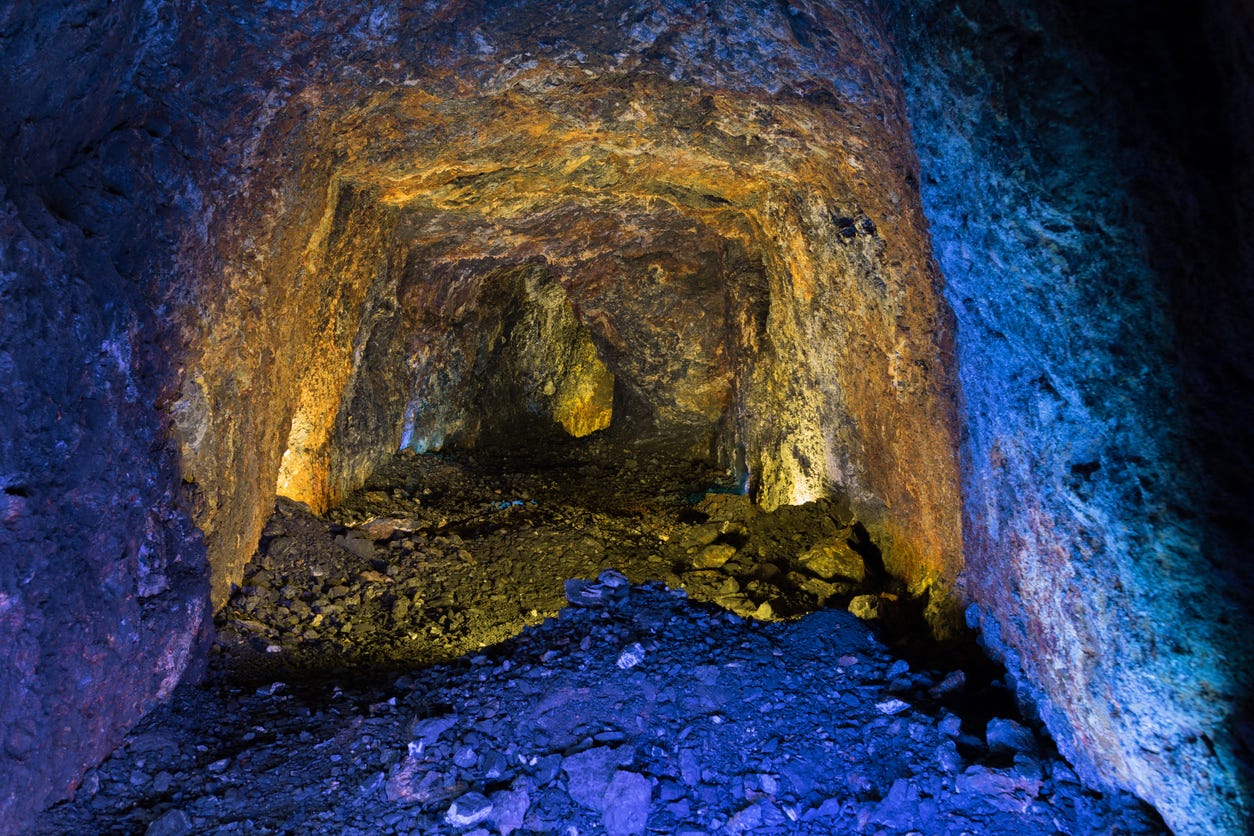
My mum once told me stories about my great-grandfather working in the Clogau gold mine — the same mine famous for supplying gold to the Royal Family. I remembered attending my Uncle Elwyn’s funeral in a tiny family-owned church nestled into the hillside. I remembered names, stories and places that suddenly carried more significance than they ever had before.
It felt like discovering pieces of myself long after I’d already become an adult.
And strangely, it also came with grief.
Not dramatic grief.
Not catastrophic grief.
Just the quiet sadness of wondering how life might have felt differently if I had understood those connections earlier.
If somebody had helped me see culture not as division, but as inheritance.
As belonging.
As continuity.
These days, I think differently about identity than I once did.
I think about language preservation.
About local communities trying to hold onto culture.
About the deep emotional connection people have to place and history.
Welsh is considered a vulnerable language. Communities in parts of Wales continue fighting to keep younger generations in local areas as housing affordability and outside ownership reshape entire regions.
And perhaps because of my own experiences — both in Wales and later in Australia — I find myself feeling increasingly passionate about protecting culture, language and Indigenous identity wherever it exists.
Not because I believe cultures should isolate themselves from others.
But because once culture disappears, something irreplaceable disappears with it.
A world view.
A memory.
A connection between generations.
Gone.
Australia is home now.
My roots, my life and my future are here.
But for the first time in my life, I also understand that where we come from matters — even when we don’t yet understand why.
Maybe especially then.
And perhaps that’s why those words from thirty years ago finally make sense.
“Never forget where you came from.”
I won’t.


