

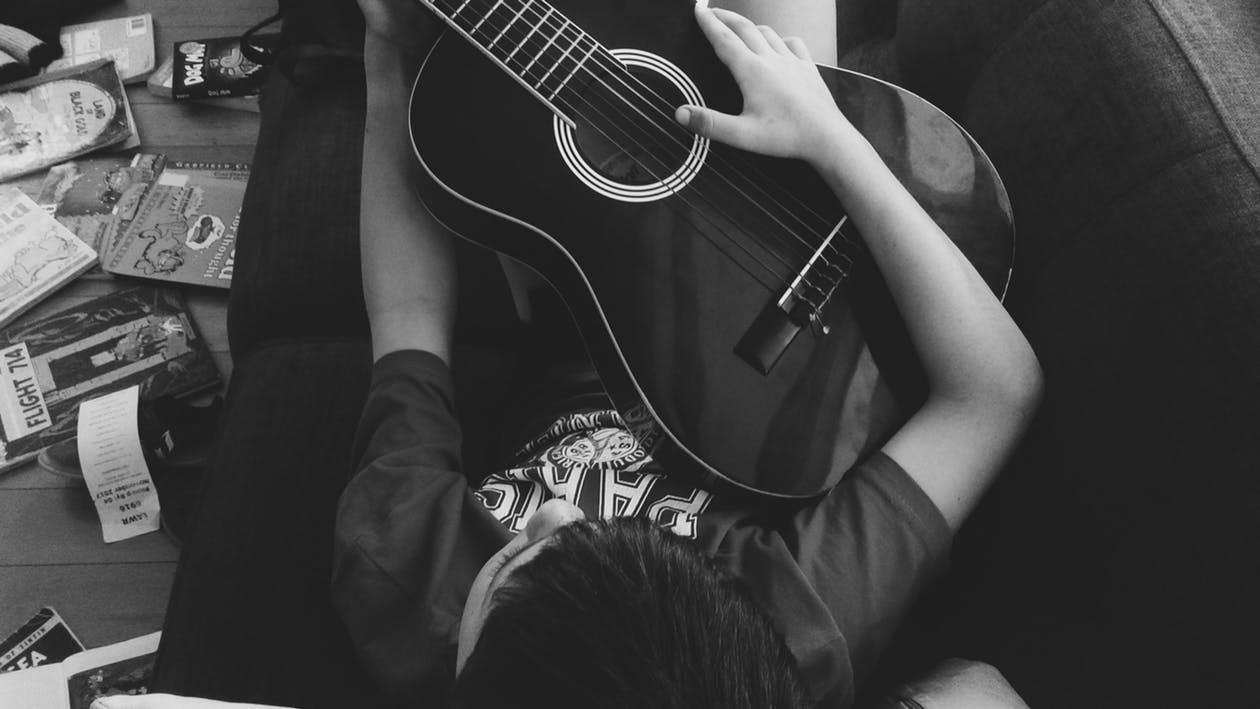
'When you are not practicing, remember, someone somewhere is practicing, and when you meet them, they will win' - Ed Macauley
Practice is where you expand skills and maintain them: technique, tone, time, ear, lyric memory. It’s solo (or with a coach), and it never stops - gigs don’t replace it.
Keep your chops current or you stagnate. Trends shift, gear evolves, tastes move - you need on-the-job training you give yourself.
Bored with the same chord set? That’s a sign to level up your practice cycle (new voicings, inversions, feels, right-hand patterns, harmony ear-training).
Make it measurable: tempos, reps, and tiny goals beat vague “play more guitar.”
Practise for passion and for the next booking - future-you will be grateful.

'If I don't practice for a day, I know it. If I don't practice for two days, the critics know it. And if I don't practice for three days, the public knows it' - Louis Armstrong
Rehearsal = the band, the show, the glue
'The most crucial ingredient by far for success in music is what happens in the rehearsal room' - William Westney
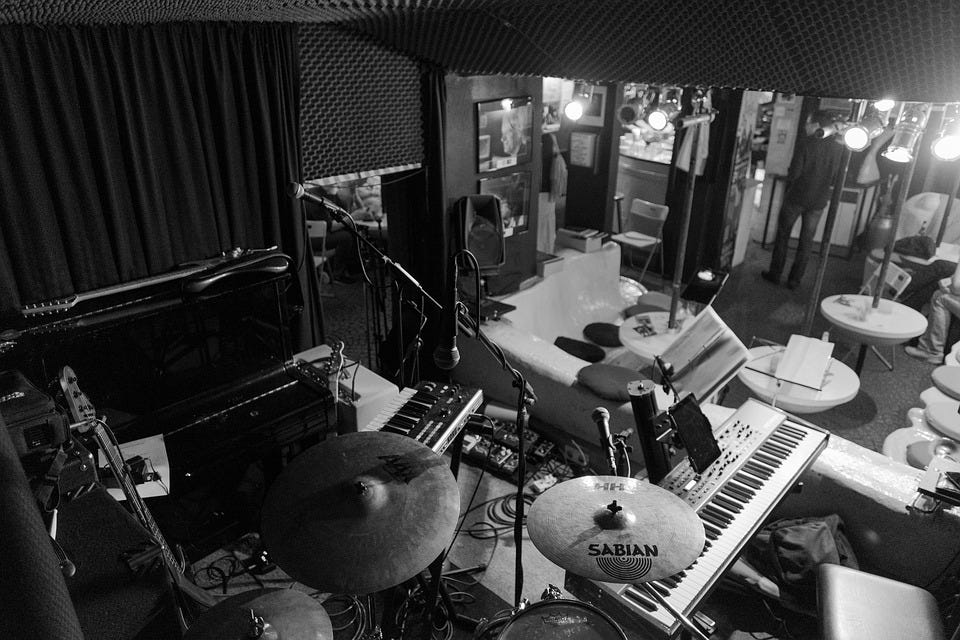
Rehearsal is a full-band activity that simulates the gig. You’re aligning dynamics, locking parts, settling endings, and shaping the set arc—not learning your part for the first time.
Everyone brings prepared parts; rehearsal is for integration.
Play the set as you’ll perform it: same keys, count-ins, segues, and banter beats.
Use the room to solve differences (your imagined riff ≠ their actual riff) and agree on the best version for the show.
Time is money: focused rehearsal beats expensive studio fixes later.
What rehearsal should cover (most weeks)
Transitions & endings (no onstage committee meetings).
Vocal blends/harmony placements (who’s on which note).
Dynamics & cues (drops, builds, holds).
Setlist flow (tempo/energy/key journey; opener → lift → pre-finale → finale).
Tech notes (patches, click/tracks, count-off language).
Common traps (and fixes)
Trap: Treating rehearsal like personal practice.
Fix: Share the set two days ahead; arrive knowing your parts.Trap: No agenda, just jamming.
Fix: 60–90 minutes with a short agenda, a stopwatch, and ownership.Trap: Endless takes.
Fix: Two reps, then diagnose; fix the smallest thing that fixes the most things.
'It's a lot cheaper to spend eight hours in a rehearsal hall than in a recording studio' - Jim Messina
Practice to Performance: set a 3-block practice routine this week, then run one agenda-led rehearsal focused on transitions and endings.
If you’d like the Practice Habit Builder, Rehearsal Agenda & Stopwatch, and Setlist Flow Designer, just say the word and I’ll send them over.

This series, the content and any observations or suggestions made are based on my personal experience, anonymised to protect privacy. Nothing here is financial, legal, or medical advice - please seek professional guidance for your own situation.